
Send an electric guitar 100 years into the future!
Cultural Time Capsules
Before sealing, each instrument is played exactly once.
Put to sleep on 9th of January 2024 –
wakes up on 9th of January 2124
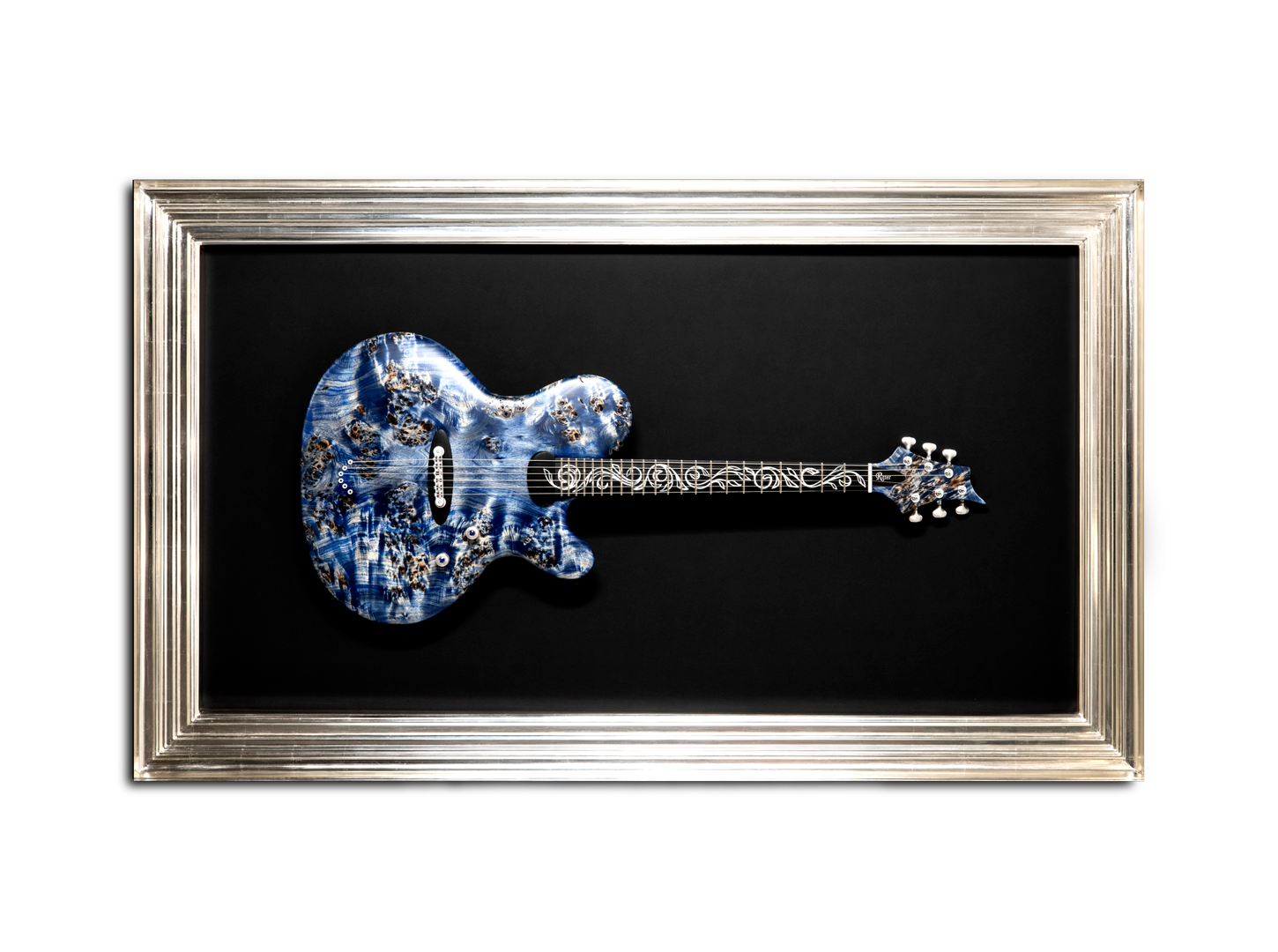
The Alcudia Bay sparkle
Ident: #2317
“One of the most marvelous family experiences of my life was diving in the shimmering blue-green waters of the Mediterranean Sea with my wife and children. At last, my boys found them – tiny sparkling shells, clearly made of pure gold!”

Click to open live Countdown:
Each work is a fully functional, master-built electric guitar, crafted in the Jens Ritter Studio. Before sealing, each instrument is played exactly once – for precisely one song – captured on video, and then permanently sealed for exactly a century. Through this act, a playable instrument is transformed into a cultural time capsule, dispatched into the 22nd century.
In this series, Jens Ritter renegotiates the cultural-historical significance of the electric guitar in the face of a new epoch – and triggers reflection on our own connection to this instrument and the beautiful complex culture it represents.


The dimension of time immediately raises a generational questions: not only for whom do we buy this guitar if we cannot play it today? Whom do we imagine in the future, in 100 years? Our family – what will it be like, will it still exist? Or do we bequeath it to an institution, a museum? How do we pass this artifact from generation to generation? And how will people then look at guitars, guitar music, rock music? Will the guitar be “extinct” by then?
At the same time, this extreme span of time confronts us with a retrospective view of almost 100 years of the electric guitar’s history – and of the revolutionary, diverse, and highly creative musical developments for which it has become both symbol and medium.The meaning of this rich human creativity – this life energy poured into music, which has enriched and fulfilled not only the lives of musicians but also those of fans – must be understood, celebrated, and honored.


Because the Sleeping Beauties ask a question that could not be more urgent at this particular moment in cultural history: what do we do, as creative humans, in the face of emerging artistic– and especially musical – productions created through and with AI? Is it simply another tool for us to pursue our urge to shape and create – and will it contribute anything in terms of musical quality? Or will humanity, through it, deprive itself of its own abilities and culturally wither? Has our highly creative musical epoch reached an abrupt end?
The Artistic Act
The sealing process is physically integrated into the instrument itself.
The output jack – this essential interface that makes the instrument playable – is permanently closed by a second, engraved aluminum plate.
It bears:
• the exact date of sealing
• the exact date of reopening (precisely 100 years later)
The plate is mechanically secured with wire and marked with the artist’s wax seal. From that moment on, the instrument is deliberately silenced.


At the same time, a digital countdown begins, measuring the remaining duration of the entire century in seconds. This countdown accompanies the work in exhibitions either via an on-screen display or via QR access.
To guarantee the integrity of this temporal structure, the countdown is cryptographically anchored with a blockchain-based timestamp. In this way, the duration of the century is publicly verifiable and protected against manipulation.As soon as the countdown reaches zero, the archived pre-sealing performance video as well as a statement by the artist become automatically accessible – thus closing the conceptual circle across generations.
Series Structure
Sleeping Beauties is an ongoing conceptual series with no predetermined total number of works.
Around six to seven pieces are created per year. Each piece is individually conceived and
handcrafted as a unique work of art.
The Role of the Collector
Owning a Sleeping Beauty goes beyond collecting. The collector becomes a cultural custodian.
The owner takes part in sending a handcrafted human artwork into a future they will never
personally experience.
This act embodies:
• belief in cultural continuity
• trust in future generations
• commitment to the survival of genuinely human artistic expression
The work therefore operates simultaneously as sculpture, instrument, ritual object, and
intergenerational message.
With The Sleeping Beauties, Jens Ritter sends
handcrafted masterpieces into the 22nd century.
In doing so, he establishes one of the longest
horizons of transfer and impact
in the history of instrument making.
What will become of the Sleeping Beauties
in 100 years, when they awaken again?
Who will play them?
What will be played?
And who will tell their story?
Silence.
Keep Listening.
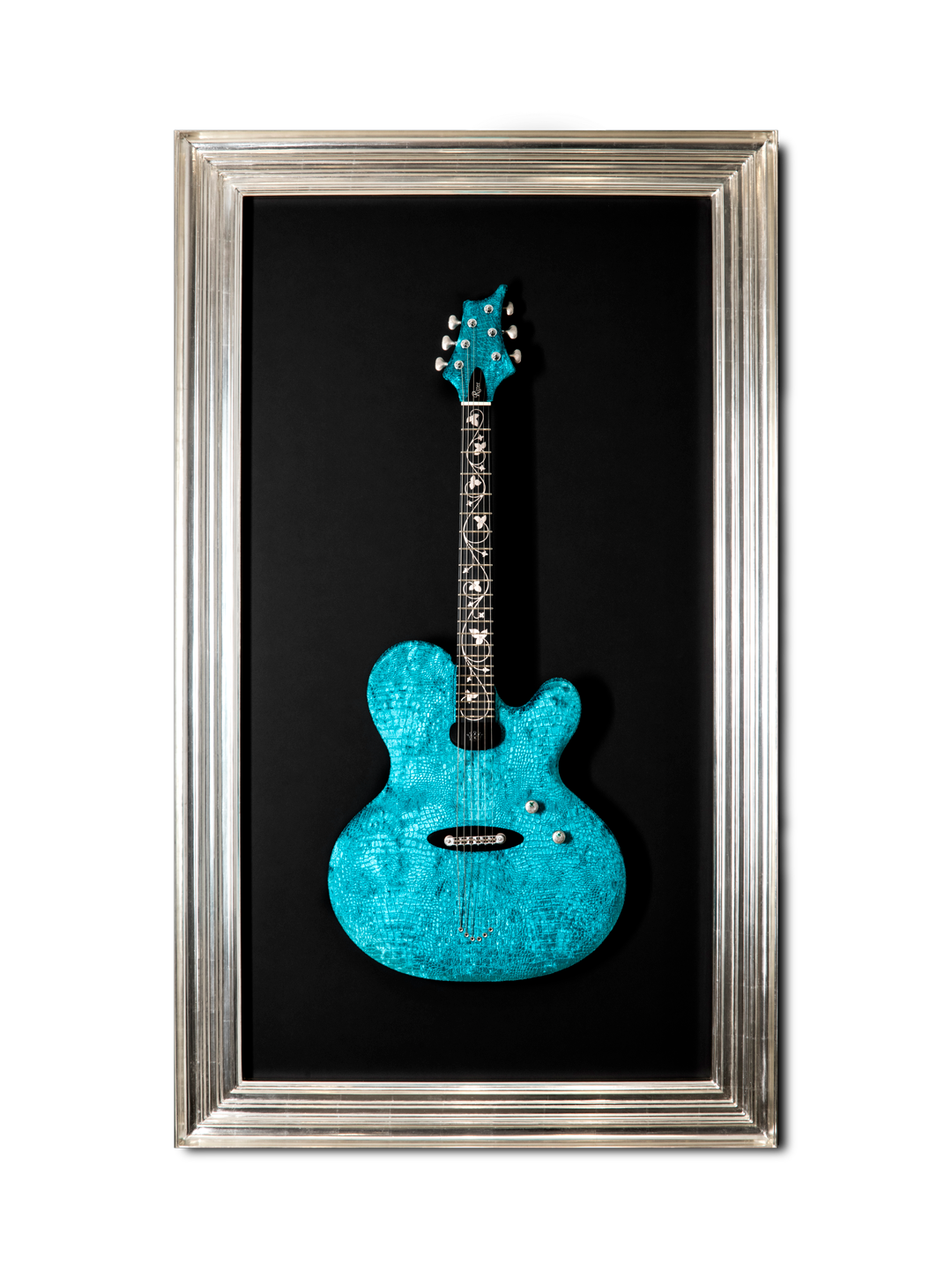
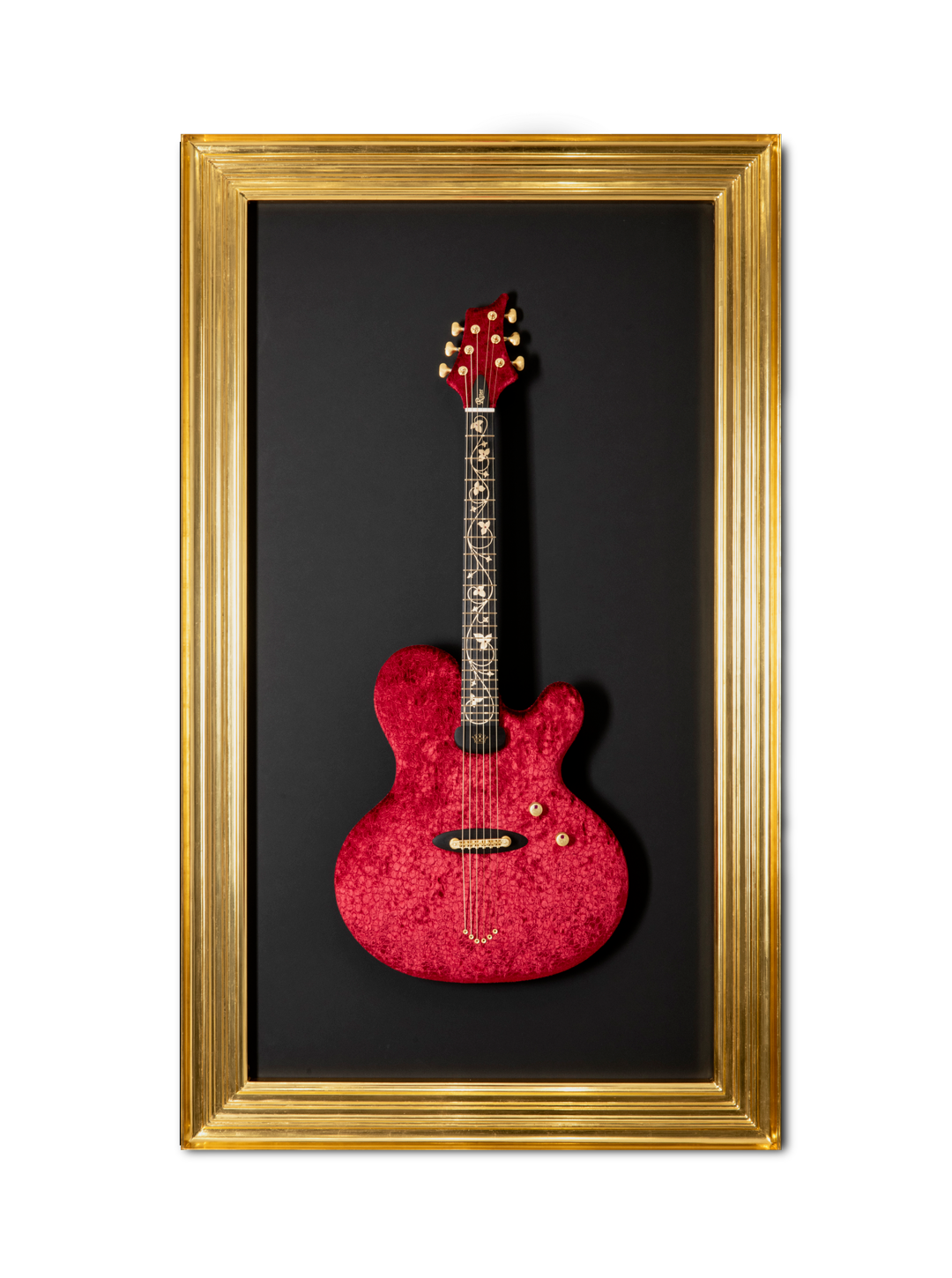
The paraiba velvet
Ident: #2308
“I borrowed my first real gemstone from a dealer in Idar-Oberstein, Germany – Mr. Hubert Arnoldi. The stone, a breathtaking Paraiba tourmaline, was valued at a quarter of a million US dollars at that moment. Mr. Arnoldi and I were meeting for thefirst time, so I asked what documentation he needed for an official loan agreement. My ID card? A police clearance? Certified proof of residence? A bank reference to confirm funds? What kind of insurance verification? Mr. Arnoldi handed me a pencil and a sheet of paper and simply asked me to write down my address. And then I walked out, with a quarter of a million dollars in my pocket…”
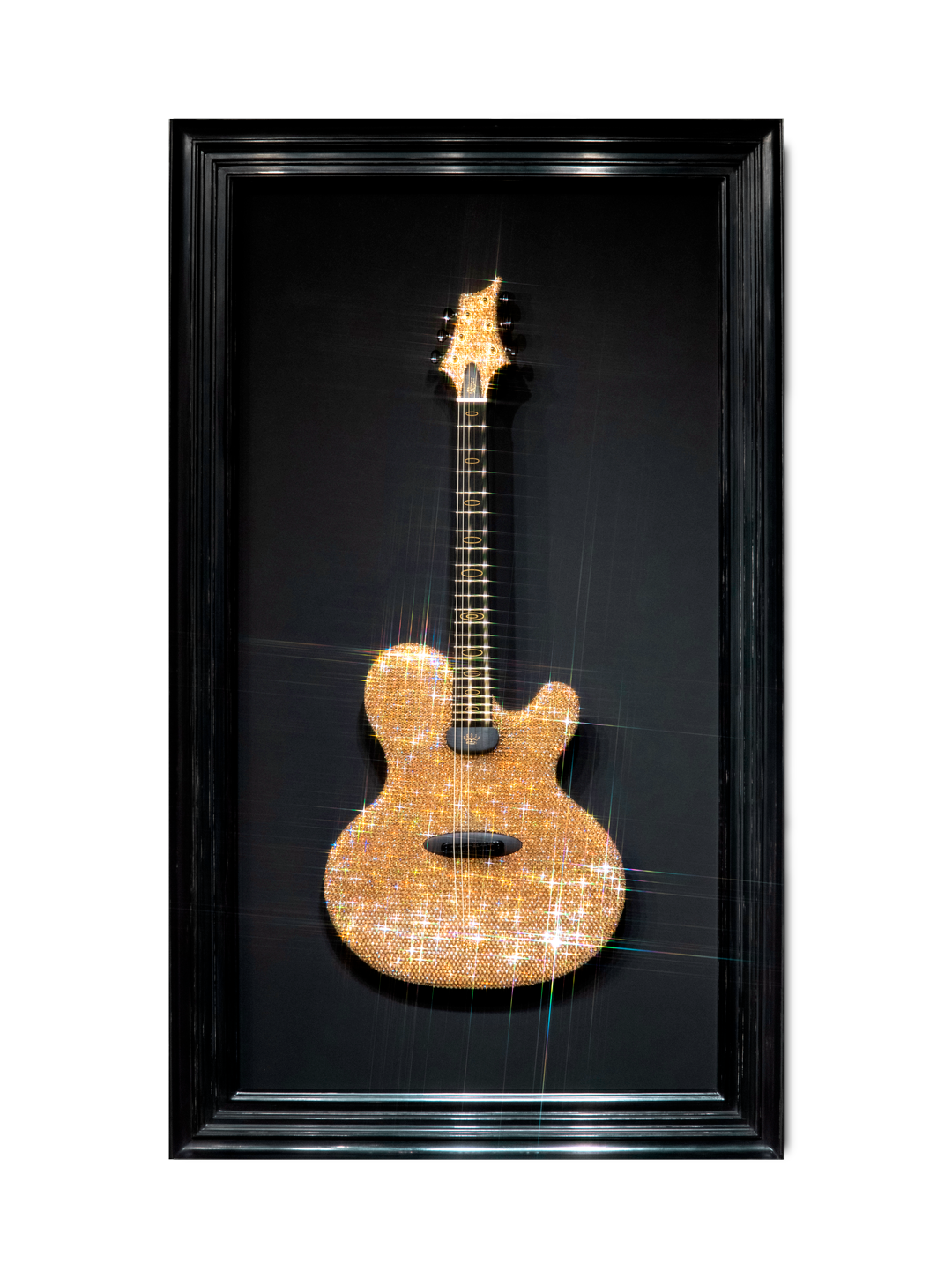
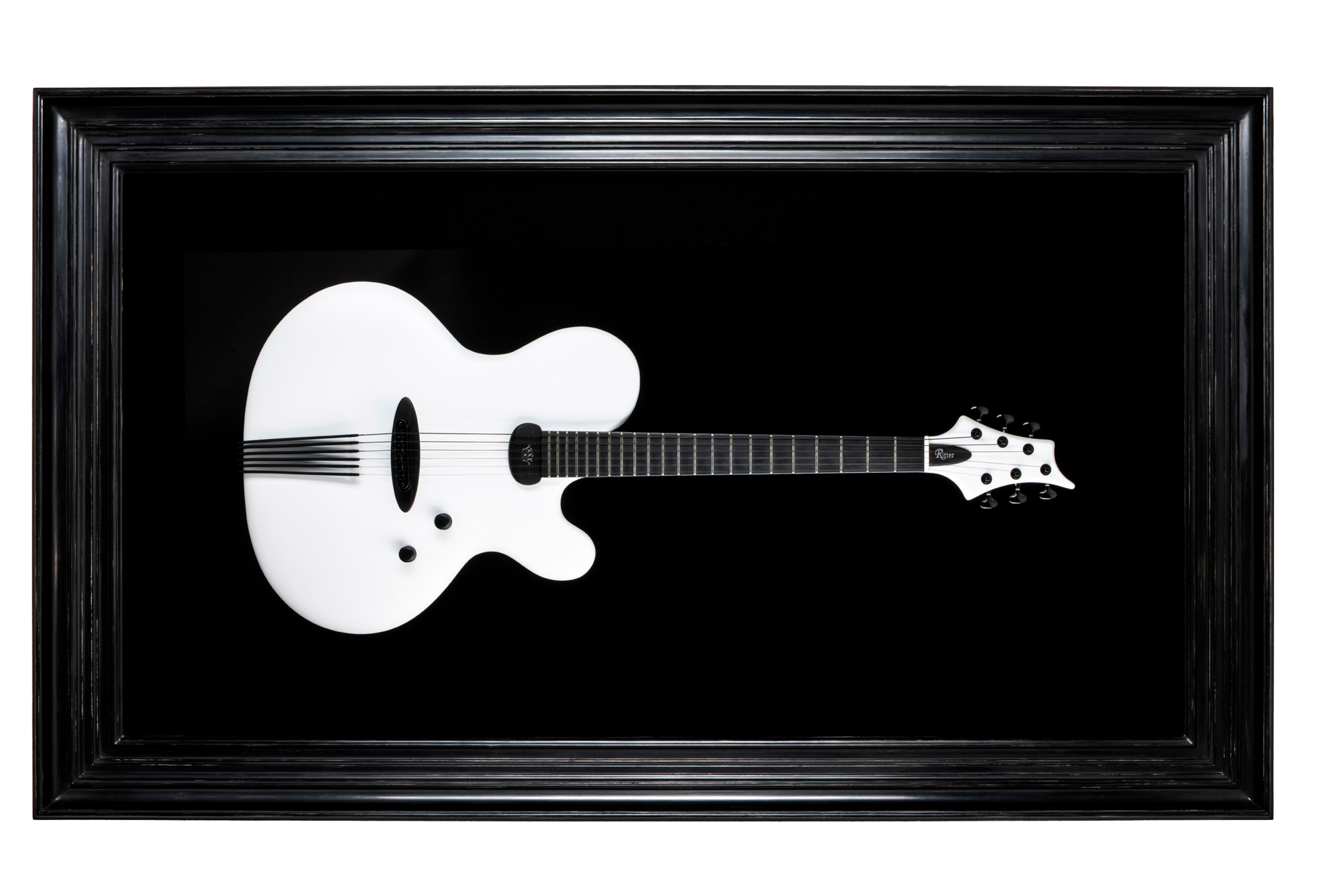
The Sandokan
Ident: #1812
“When I was a small child, I secretly watched a pirate movie at my grandmother’s house, still naively believing everything on TV was real. I hardly remember the details of Sandokan, but one scene left a lasting impression: A powerful ruler appeared on the screen, draped in a robe of pure gold, glittering and sparkling. This striking vision of beauty and wealth captivated me. Years later, I stumbled upon an old VHS tape of this movie at a flea market, which inspired me to create The Sandokan as a tribute to that vivid childhood memory.”
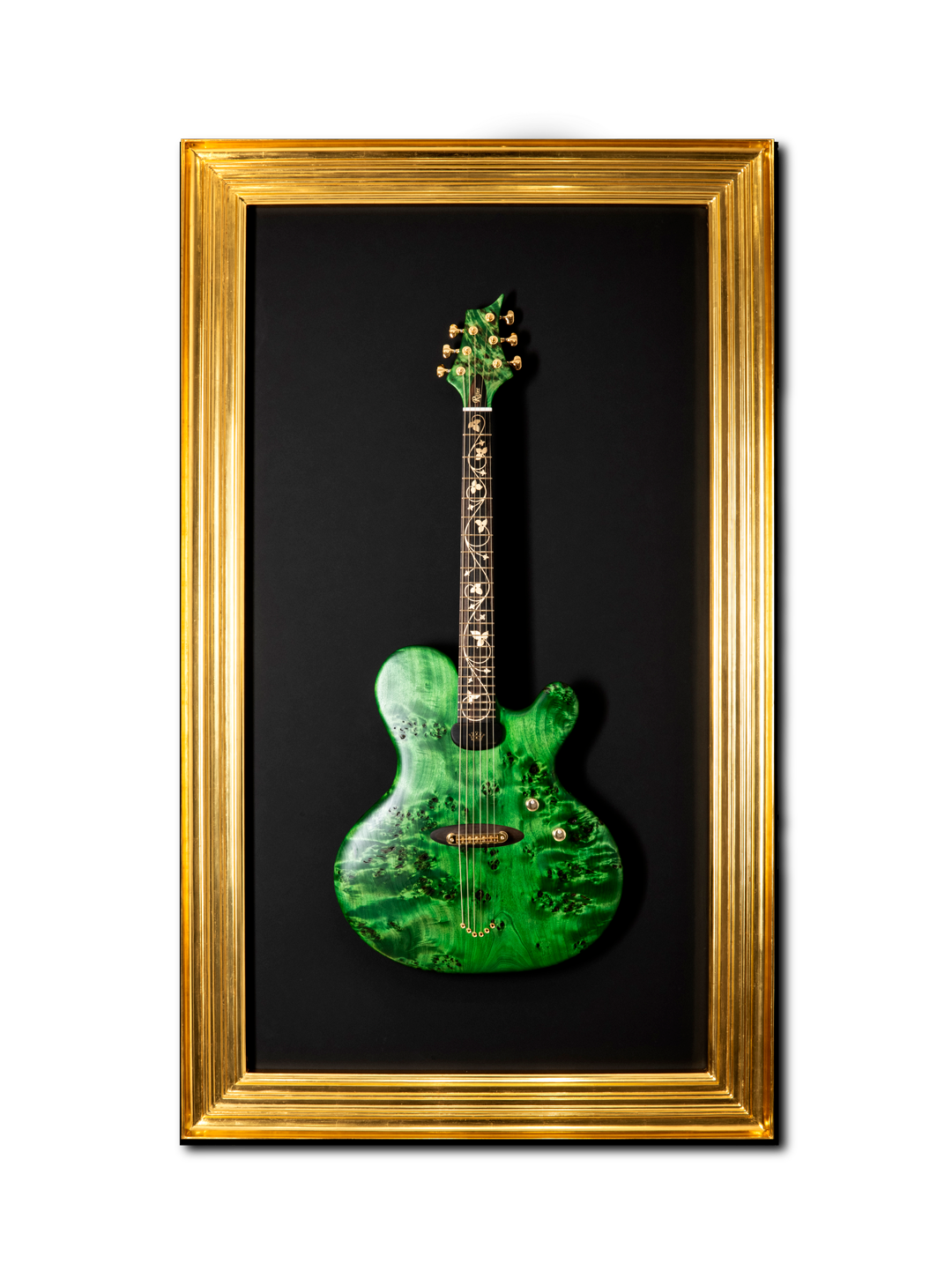
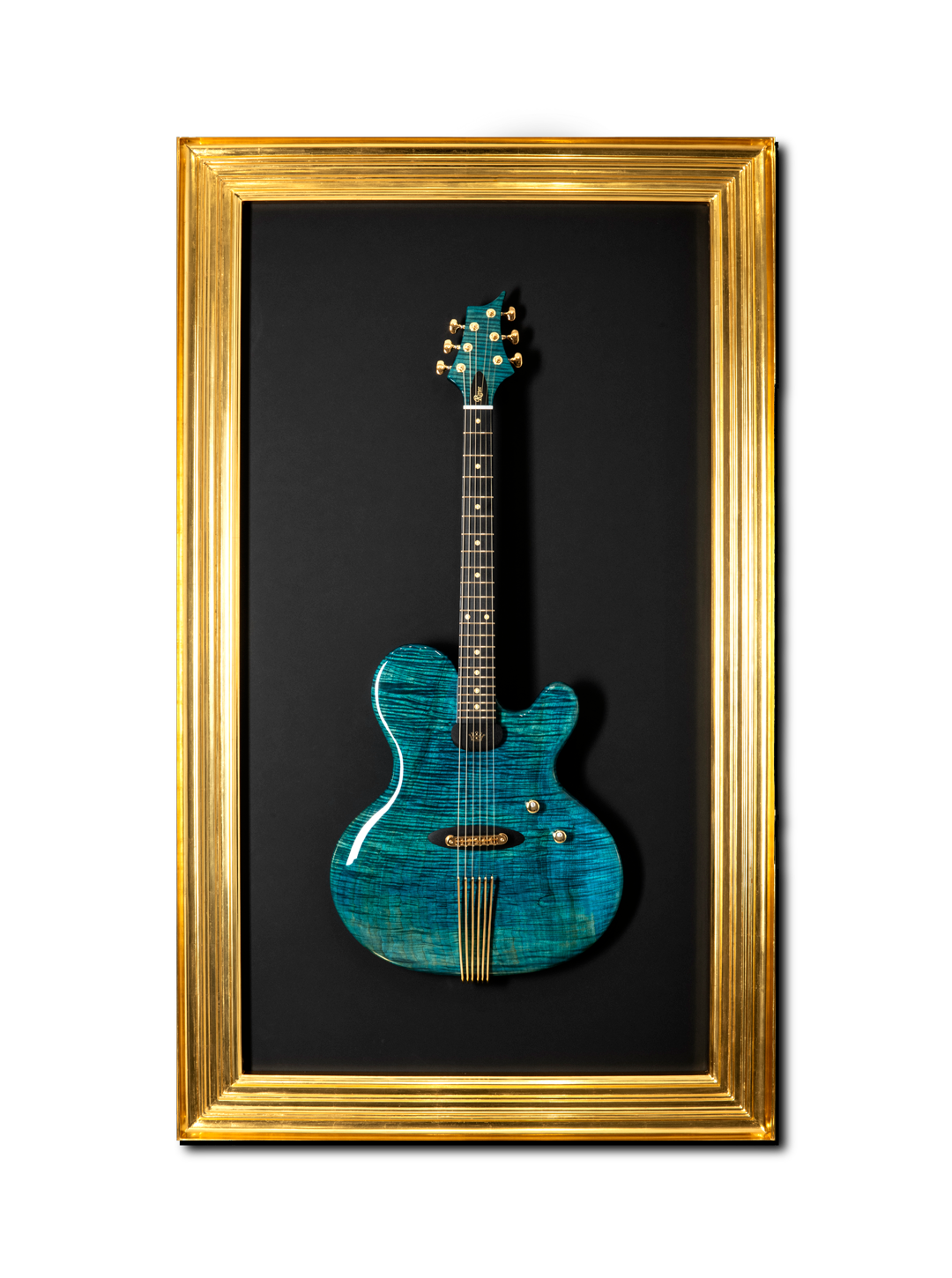
The Green flora
Ident: #2359
“On my first stay at the original Waldorf Astoria Hotel in New York City – long before its unfortunate closure – I passed by the iconic lobby clock every day. The atmosphere, with its stunning floral arrangements and grand golden walls and ceilings, left a lasting impression on me: an image of green and gold, timeless and enduring, which I later captured in The Green Flora.”